Ghanaian Youth Summit Urges Shift from Environmental Awareness to Action for Green Jobs
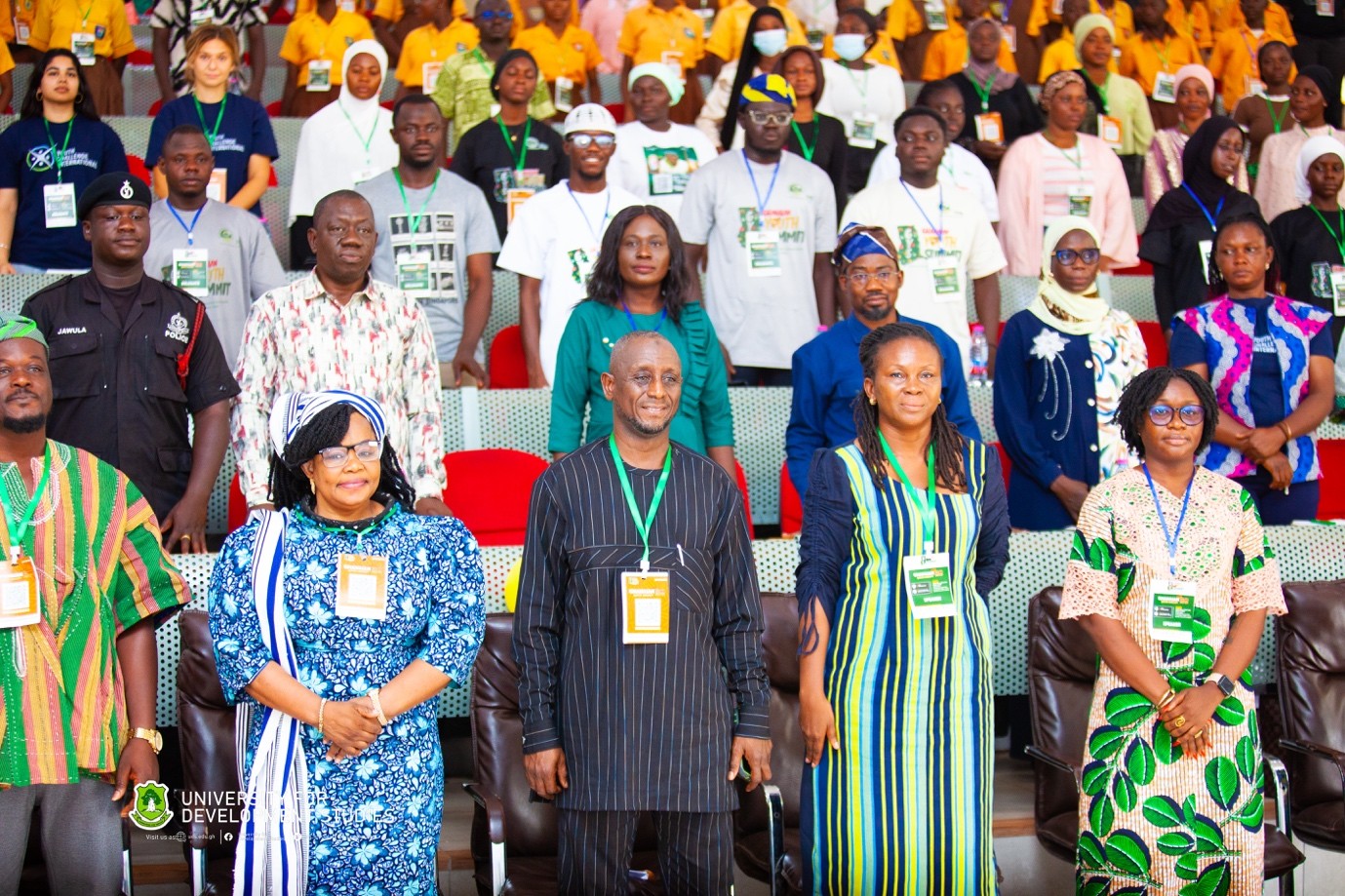
The faculty of Natural Resource at the UDS and Stakeholders, youth leaders, policymakers, researchers, and academics converged at the University for Development Studies (UDS) for the Ghanaian Youth Summit. Hosted under the theme "Enhancing Environmental Sustainability and Green Jobs," the gathering focused on confronting Ghana's pressing ecological crises and equipping young people to lead the nation's transition toward a sustainable, green economy on Tuesday 13th October, 2026 at the UDS twin oval (Hall B), Tamale campus. The event was chaired by the vice-chancellor, Prof. Mohammed Muniru Iddrisu.
Prof. Muniru welcome delegates on behalf of the management, staff, and students of UDS, the vice-chancellor underlined that environmental sustainability is no longer merely a topic for academic debate, but an urgent national development priority requiring practical solutions, responsible leadership, and collective action.
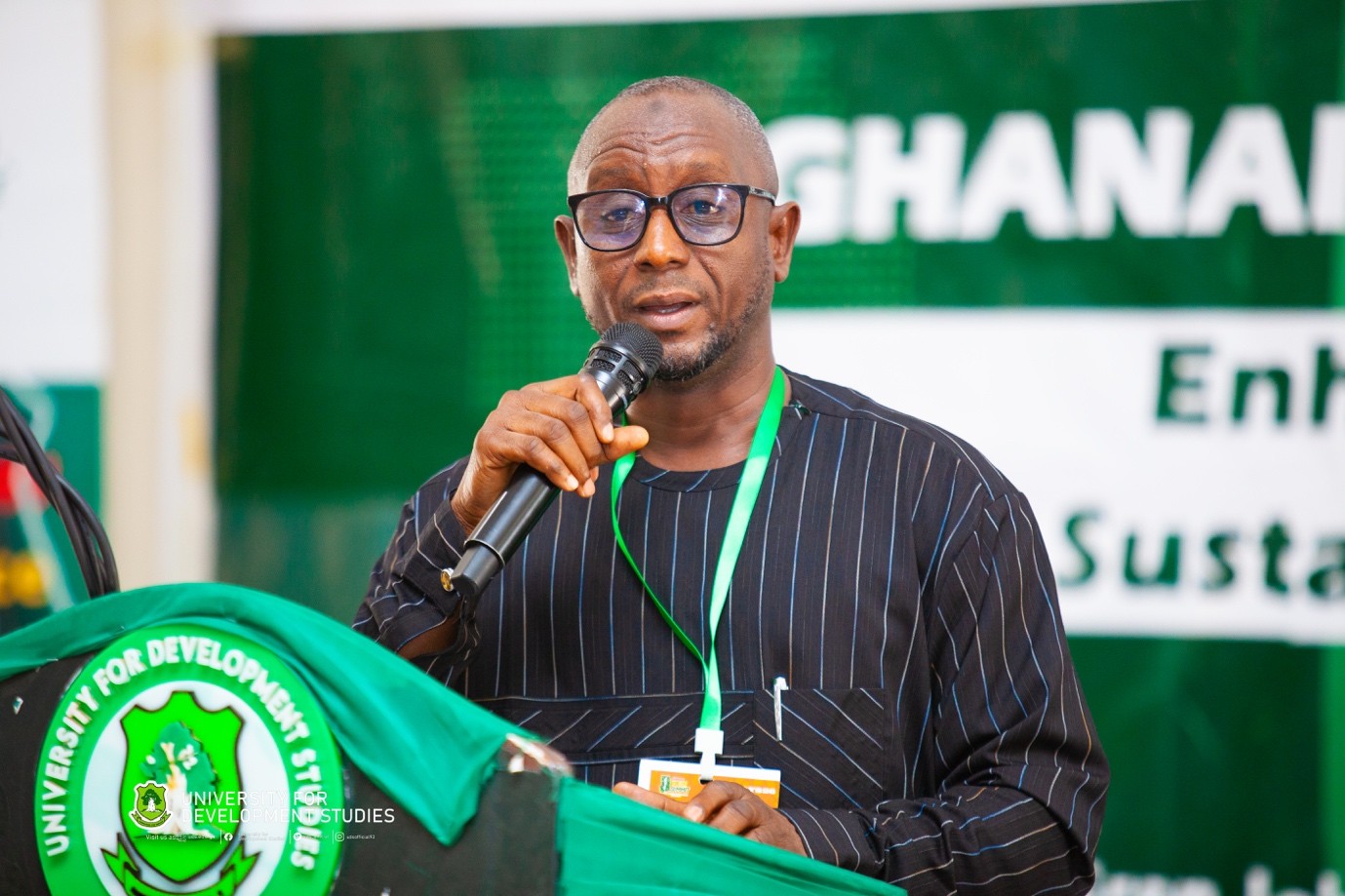
Prof. Muniru raised some key issues during his welcoming address that included; Escalating Ecological Threats: He drew attention to plastic waste pollution clogging drainage systems, widespread deforestation, land degradation, unsustainable agricultural practices, and climate variability that leaves smallholder farmers vulnerable.
The vice-chancellor added that Illegal mining operations were highlighted as a critical hazard, causing severe destruction to vital water bodies, arable farmlands, and public health. The speech refuted the notion that environmental protection hampers economic progress, emphasizing that a healthy ecosystem is the core foundation for food security, public health, and long-term economic growth, attendees were urged to move beyond dialogue and implement measurable actions across production, consumption, farming, transportation, and natural resource management.
Prof. Muniru highlighted the potential of young people to drive Ghana's green transition, calling on participants to actively engage in sustainable innovation, green entrepreneurship, and eco-friendly job creation to protect the planet for future generations.
Hon. Razina, District Chief Executive (DCE) for Nanton, representing the Northern Regional Minister was also delited by given the platform to give the words of encouragement. Hon. Razina made good remarks by saying that investing in young people and fostering green entrepreneurship is the most sustainable pathway for Ghana’s economic growth and environmental resilience.
Hon. Razina delivered a key message on behalf of the Northern Regional Minister, Hon. Ali Adolf John Mburidiba, The key message acknowledged key partners and institutional leaders present at the gathering. In her speech, Hon. Razina gihglighted dome key poins for paticipants to take home.
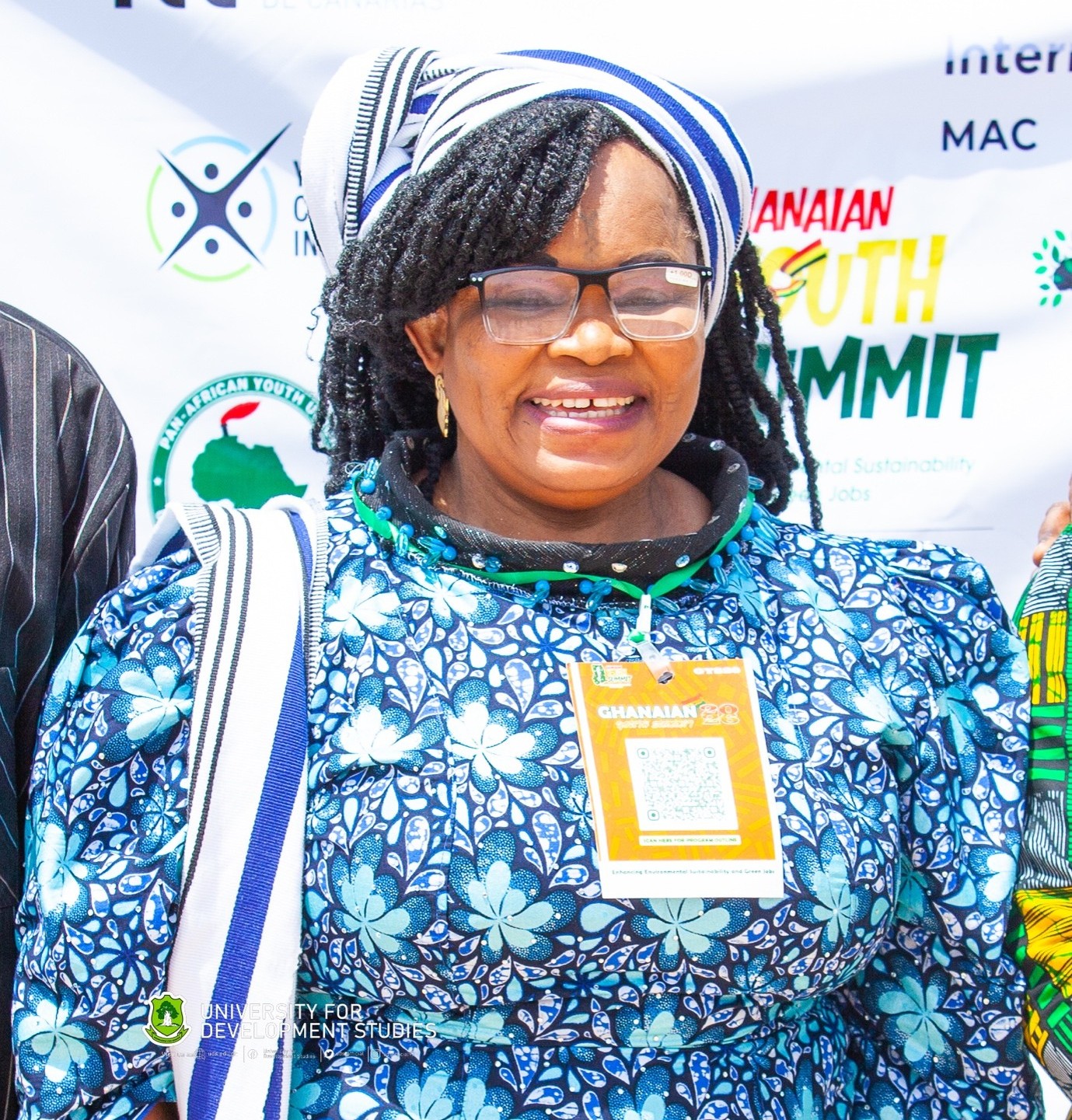
The speech highlighted that environmental conservation and youth employment are deeply linked, emphasizing that food security, community resilience, and job creation directly depend on how natural resources are managed, the Minister noted that while the region faces environmental degradation and youth unemployment, it holds enormous opportunities in agriculture, livestock production, renewable energy, agro-processing, waste management, and environmental restoration.
Hon. Razina commended organizers, educators, and sponsors for prioritizing youth and women empowerment, noting that providing guidance and mentorship to young people is crucial for national progress.
The Dean of the faculty of natural resource and environment, Prof. Ziblim made mention that Ghana’s true strength lies not in its gold, oil, fertile land, or water, but in its young people, whose energy and innovation are critical to transforming the nation’s future.
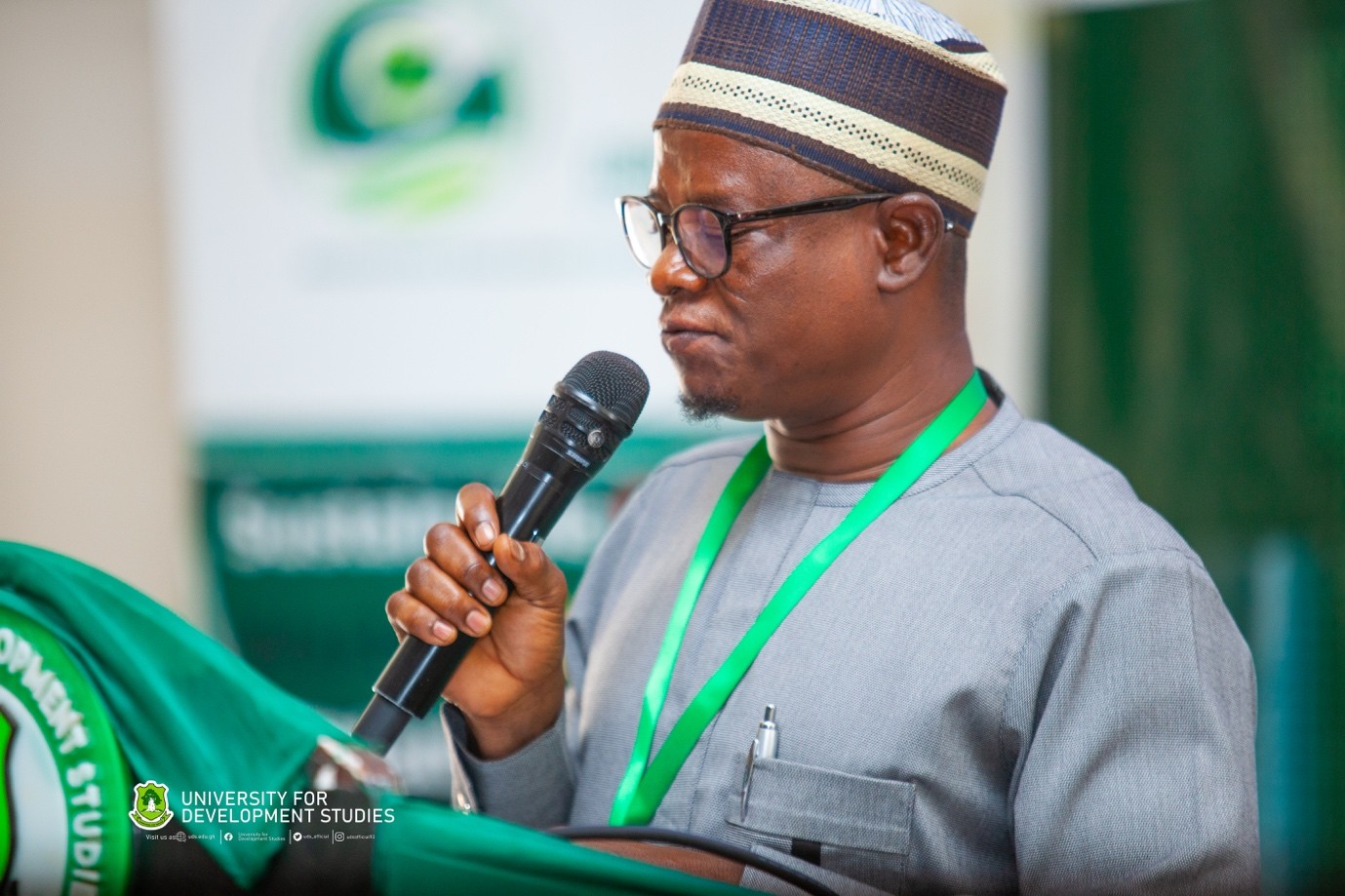
Prof. Ziblim outlined a strategic vision focused on empowering the youth to address Ghana's pressing economic, social, and environmental challenges. His address emphasized that young people represent Ghana's largest reservoir of energy, creativity, and entrepreneurial drive when properly educated, skilled, and empowered with opportunities, youth can revitalize communities, industries, and the national economy. He also highlighted that, Ghanaian youth continue to face systemic barriers, including severe unemployment, skills mismatches, restricted access to finance, inadequate entrepreneurship support, climate risks, and migration pressures.
Prof. Ziblim challenged participants to shift the narrative from asking what the country can do for them to determining how youth can utilize existing knowledge, resources, and opportunities to rebuild Ghana.
The dean of faculty of natural resources and environment cautioned that environmental degradation is not merely an ecological concern, but a direct threat to public health, employment, economic stability, and long-term national development.
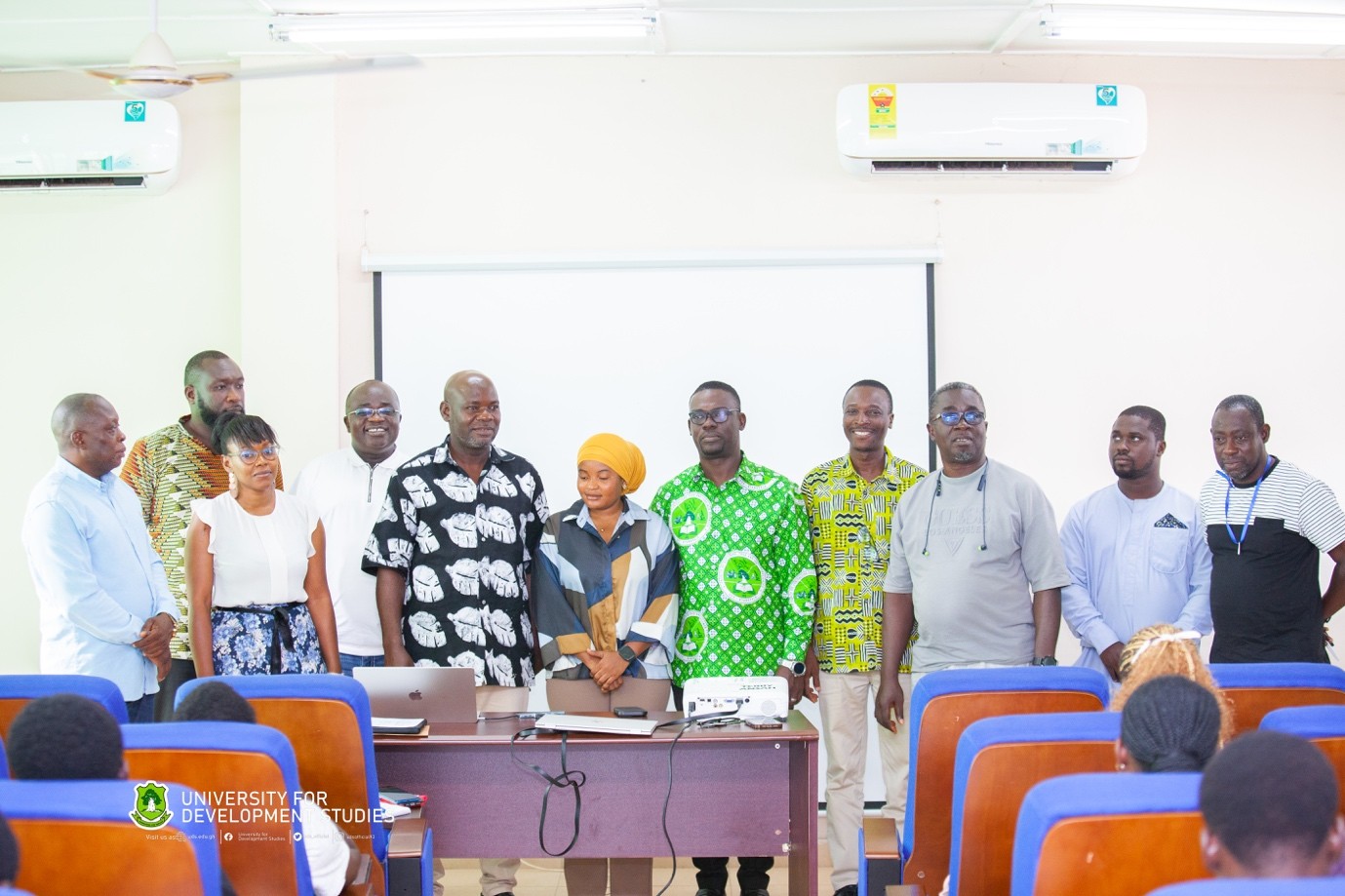
The event brought together prominent institutional leaders and government representatives which includes: Dr. Wadima Sita, Executive Director of Fort Ghana, Prof. Sanatu Alidu, the Director of UDS International Relations, Dr. Dzigbodi Adzo Doke, the Director of the Center for Gender and Mentorship, Prof. Abdul-Halim Abubakari, Director of DCROP, Staff from the faculty of natural resources and environment, the representatives from various partner institutions, members of academia, and youth participants.
Story by: Abdul Malik, UDS Media